
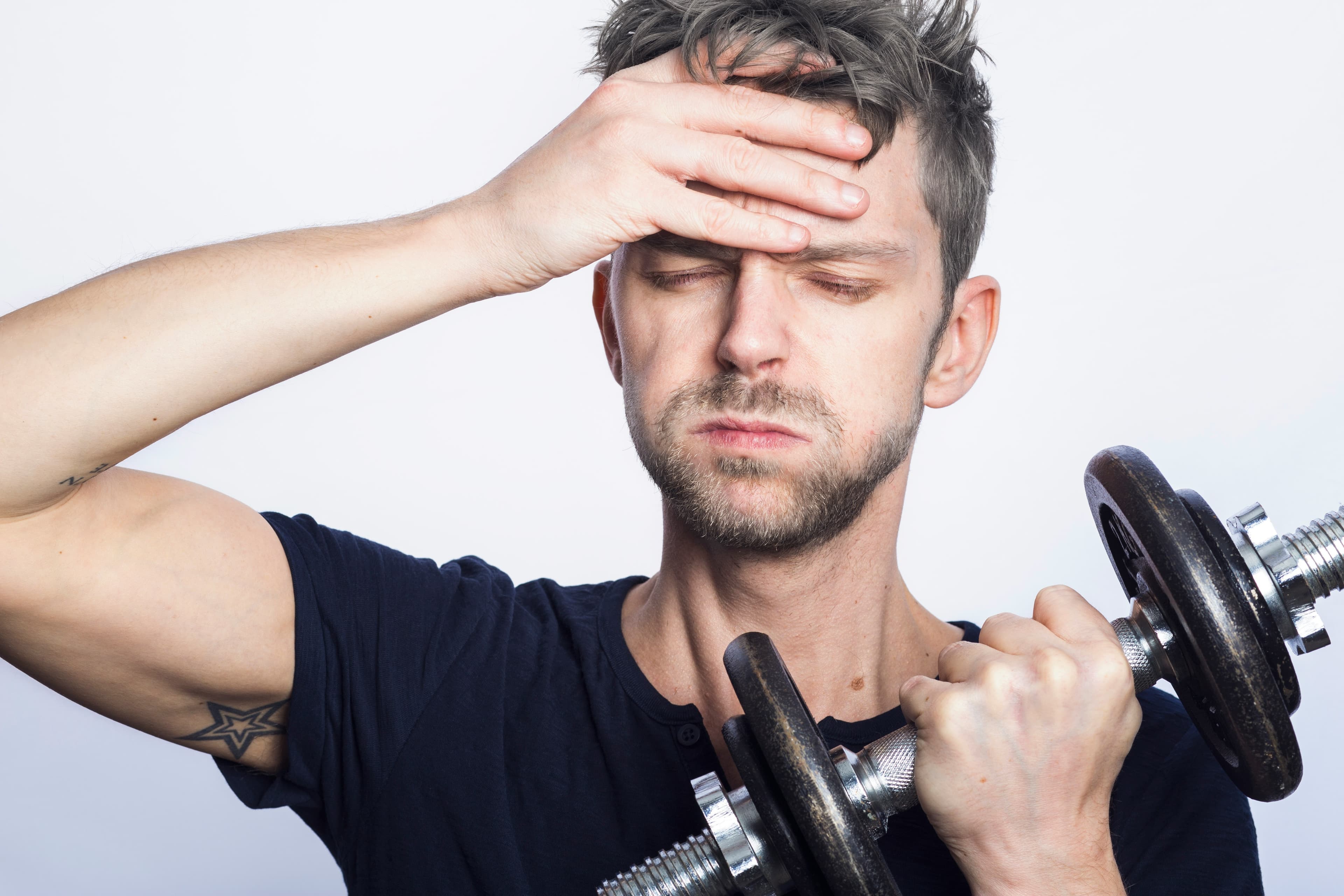
There is a version of fitness culture that treats rest as laziness. Push through. No days off. Earn it.
It is motivating. It is also quietly responsible for a lot of plateaus, injuries, and burnout.
The science of training adaptation tells a different story: one where rest is not the absence of progress but a fundamental part of it.
How training actually works
Every time you exercise, whether that is a run, a lifting session, or a high-intensity class, you create stress in your body. Muscle fibers develop microscopic tears. Energy systems are depleted. Your nervous system is taxed. Your hormonal balance is temporarily disrupted.
This is not a problem. This is the point.
The body responds to this stress by adapting: rebuilding muscle stronger, improving cardiovascular efficiency, and sharpening neuromuscular coordination. But this is the part that often gets skipped: that adaptation happens during recovery, not during the workout itself.
The workout is the stimulus. The rest is where you actually get fitter.
What is training load, and why does it accumulate?
Training load is a measure of the total stress your body has absorbed from exercise over a period of time. Coaches often think in terms of acute load (what you have done in the last week) and chronic load (what you have done over the last month).
When your acute load spikes too far above your chronic load, when you suddenly do a lot more than your body is used to, injury risk rises sharply. This is sometimes called the too much too soon problem, and it accounts for a significant proportion of overuse injuries in recreational athletes.
But load accumulates in subtler ways too. Poor sleep adds to your stress burden even if you did not train. A hard week at work. Travel. Illness. These all draw from the same recovery pool that your training demands from.
The problem with training hard every day
If you train intensely every day without adequate recovery, a few things happen:
- Performance plateaus or declines because your body cannot adapt if it is never given the chance.
- Injury risk increases because accumulated fatigue impairs movement quality and tissue resilience.
- Motivation drops because chronic overreaching is one of the most common causes of burnout and loss of enjoyment in exercise.
- Hormonal disruption can appear when sustained overtraining suppresses testosterone, elevates cortisol, and disrupts sleep, creating a negative cycle.
The counterintuitive truth is that doing less, more strategically, almost always produces better results over time than grinding through every day.
Push, Light, and Rest: a simple framework
One of the most useful concepts in training periodization is the idea that not all days should look the same. Most coaches and exercise scientists now recommend structuring training around three types of days:
Push days
High-intensity or high-volume sessions. This is where the stimulus for adaptation comes from. These days should be purposeful and hard, and because of that, they require adequate recovery before and after.
Light days
Active recovery. Movement that promotes blood flow and keeps you mobile without adding significantly to your stress load. A walk, an easy swim, a gentle yoga session. These days aid recovery rather than interrupting it.
Rest days
Full rest. Your nervous system and musculoskeletal system need periodic complete breaks. Rest days are not failures. They are investments in the quality of your next Push day.
The best athletes in the world do not train harder than everyone else every day. They train hard on the right days, and they are disciplined enough to go easy on the others.
How do you know which day is which?
This is where most self-coached people get stuck. The science is clear, but knowing whether today is a Push day or a Rest day requires knowing how recovered you actually are, and that is harder than it sounds.
Subjective feel is part of it, but it is unreliable. Motivation fluctuates independently of readiness. Some of the best training sessions happen on days you did not feel like starting. And some of the worst injuries happen on days you felt great but were actually accumulated-fatigued.
This is exactly the problem Vobbin is built to solve. By tracking recovery signals including sleep quality, HRV, resting heart rate, and recent training load, Vobbin's daily direction -- Push, Light, or Rest -- gives you a grounded recommendation based on what your body is actually telling you, not just how you feel getting out of bed.
It will not make every decision for you. But it gives you better information to make it yourself.